


Autonomous Pothole Repair Robot Silly Surfacing Debuts, Showcasing a New Approach to Smart Road Maintenance
 31 August 2026 05:03 PM
Summary: A robotics startup has unveiled Silly Surfacing, an autonomous pothole repair system that uses 3D sensing and automated asphalt filling to speed up road maintenance while reducing worker exposure to traffic hazards.
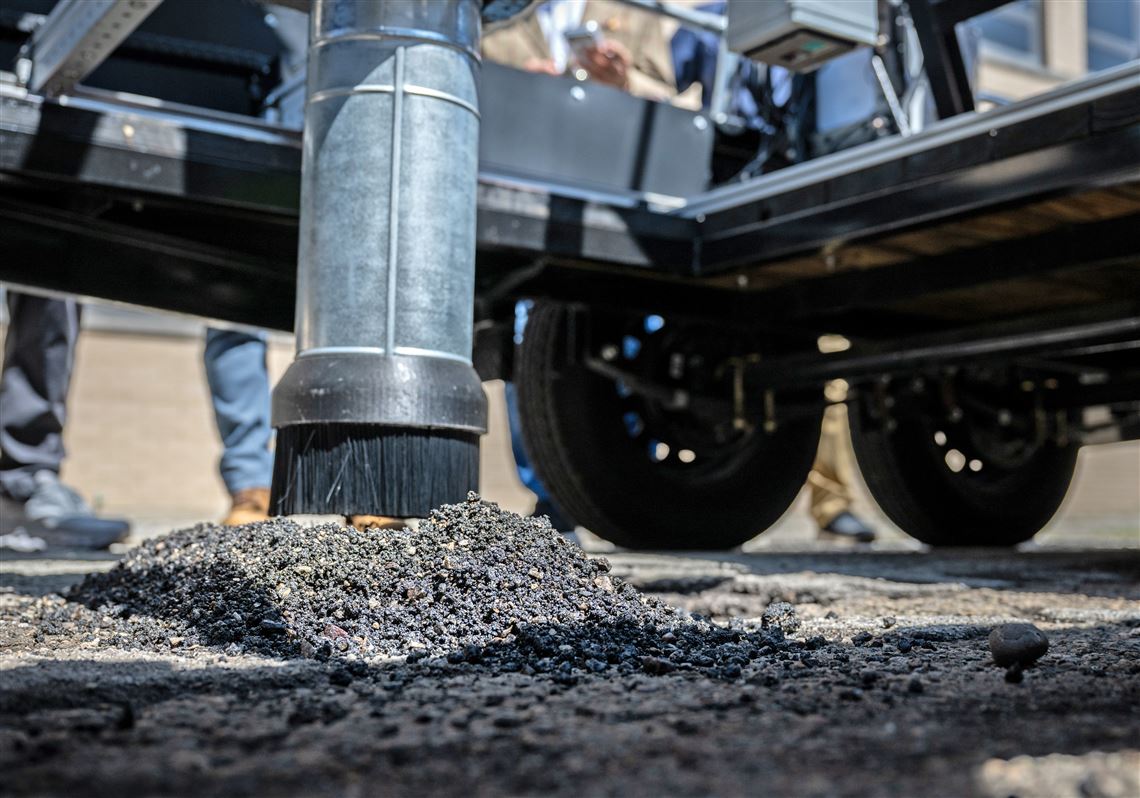
As cities worldwide seek smarter infrastructure solutions, a robotics startup has introduced Silly Surfacing, an automated pothole repair platform designed to transform how roads are maintained. The system combines computer vision, 3D mapping, sensors, and robotic asphalt dispensing to repair potholes in minutes with minimal human involvement.
During a recent public demonstration, the truck-mounted robot scanned a pothole using cameras and sensors, generating a detailed 3D model that measured its shape, depth, and volume. The software then calculated an optimized repair path before automatically dispensing asphalt into the damaged area. The repair process was completed within a few minutes, significantly faster than many conventional road repair methods.
The technology addresses a costly and widespread problem. According to industry estimates, pothole-related vehicle damage costs U.S. drivers billions of dollars annually. Traditional repairs often require multiple workers, traffic control measures, and temporary lane closures, creating safety risks and traffic disruptions.
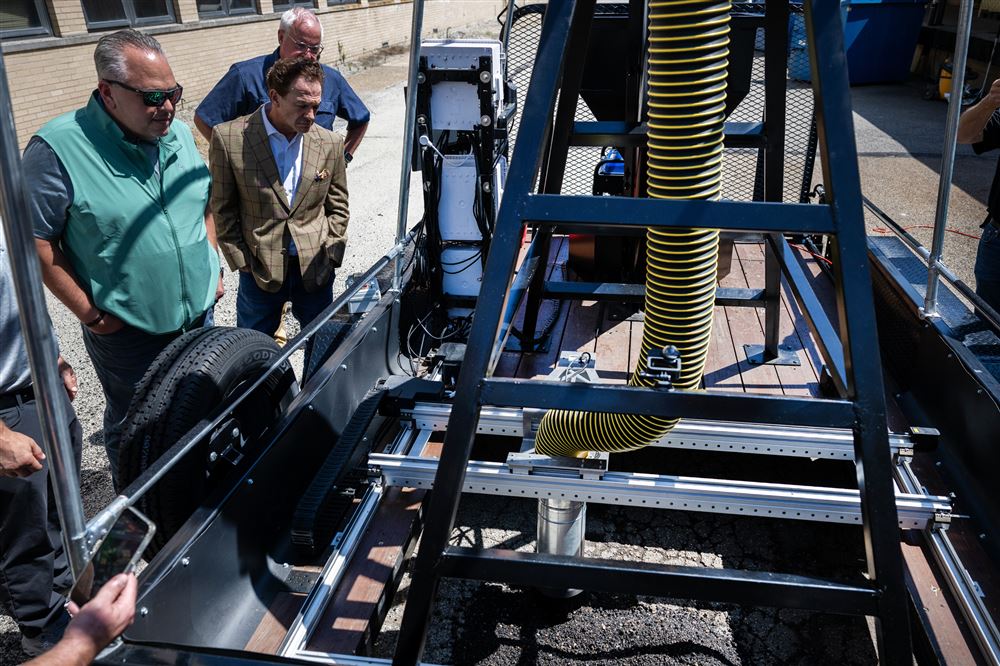
A key advantage of Silly Surfacing is its ability to perform repairs with little or no direct worker exposure to moving vehicles. Operators can remain inside the vehicle while the robotic system handles pothole assessment and filling. This approach could improve worker safety while increasing maintenance efficiency for municipalities and transportation agencies.
The current version focuses on cold-patch asphalt repairs, commonly used during winter months when potholes form most frequently due to freeze-thaw cycles. Future development plans include autonomous debris removal, automated compaction, and recycling of removed asphalt materials within the repair process.
Long term, the development team envisions smaller autonomous road-maintenance robots capable of operating on narrow streets, bike lanes, and other hard-to-reach areas. If successfully commercialized, Silly Surfacing could become an important example of how robotics, infrastructure automation, smart city technology, autonomous maintenance systems, and AI-powered road repair are reshaping urban transportation networks.