


Why Pressure Sensors Are Transforming Robotic Gripping in Industrial Automation
 07 September 2026 03:24 PM
Summary: Pressure sensors are becoming a critical technology in robotic grippers, enabling robots to detect contact, prevent slip, and handle fragile or irregular objects with greater precision in industrial automation.
As industrial robots take on increasingly complex tasks such as bin picking, kitting, and mixed-part handling, traditional grippers are reaching their limits. The challenge is no longer generating enough gripping force—it is understanding exactly what happens when a robot touches an object. This is where pressure sensing technology is reshaping modern robotic manipulation.
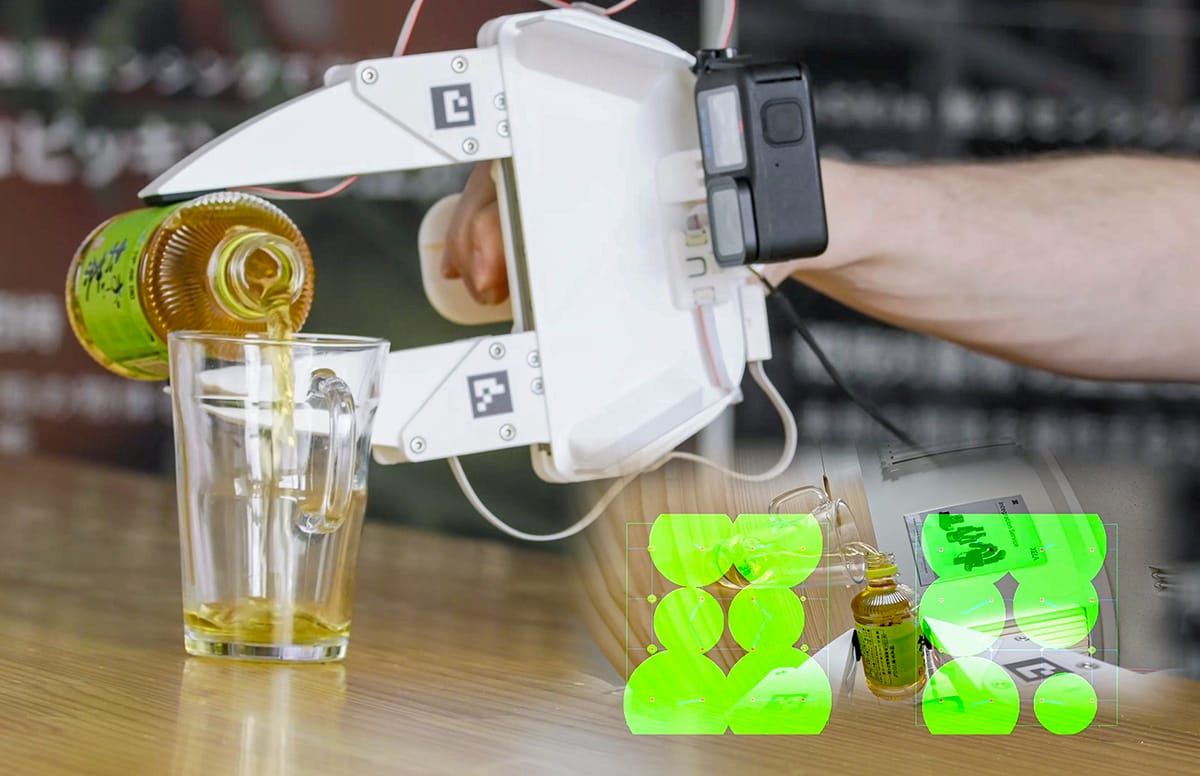
UMI gripper equipped with uSkin sensors and real-time tactile data visualization.
Unlike conventional force or torque sensors, pressure sensors measure localized mechanical stress directly at the contact surface. Embedded inside robotic fingers through piezoresistive, capacitive, or microfluidic sensing layers, they provide real-time feedback about how an object is being grasped. This allows robots to detect uneven loading, surface deformation, and early signs of slippage before a grasp fails.
The technology is particularly valuable in warehouse automation, logistics robotics, and advanced manufacturing, where robots must handle objects of different shapes, weights, and materials. A metal component, a plastic container, and a fragile carton may require completely different gripping strategies, even when the robot applies the same motion. Pressure sensors reveal these differences within milliseconds of contact, helping controllers transition from simple motion control to intelligent interaction control.
Pressure-aware grippers also improve slip detection. Small fluctuations in pressure distribution can indicate that an object is beginning to move relative to the gripper surface. By identifying these signals early, robots can automatically increase grip force, adjust finger positioning, or redistribute contact points before the object is dropped.
However, deploying pressure sensing in industrial environments is not without challenges. Engineers must address signal noise, sensor drift, hysteresis, and durability under millions of gripping cycles. Advanced filtering, sensor fusion, and dynamic calibration are often required to maintain reliable performance in high-speed automation systems.
Industry experts increasingly view pressure sensing as a key enabler of next-generation robotic dexterity. As AI-powered robots become more common in warehouses, factories, and collaborative workspaces, pressure feedback is helping close the gap between commanded motion and real-world interaction.
The result is not only greater gripping accuracy but also improved reliability, adaptability, and safety—qualities that are becoming essential for the future of intelligent robotic automation.