


China Unveils Embodied AI Robot With Homegrown Electronic Architecture and Built-In Safety Features
 30 September 2026 05:52 PM
Summary: China has introduced an embodied AI robot powered by a fully domestic electronic architecture that links AI decision-making to physical actions while emphasizing safety, security, and autonomous control.
China has unveiled what developers describe as the world's first embodied AI robot equipped with a fully domestically developed electronic architecture, a key technology layer that connects artificial intelligence with real-world robotic movement.
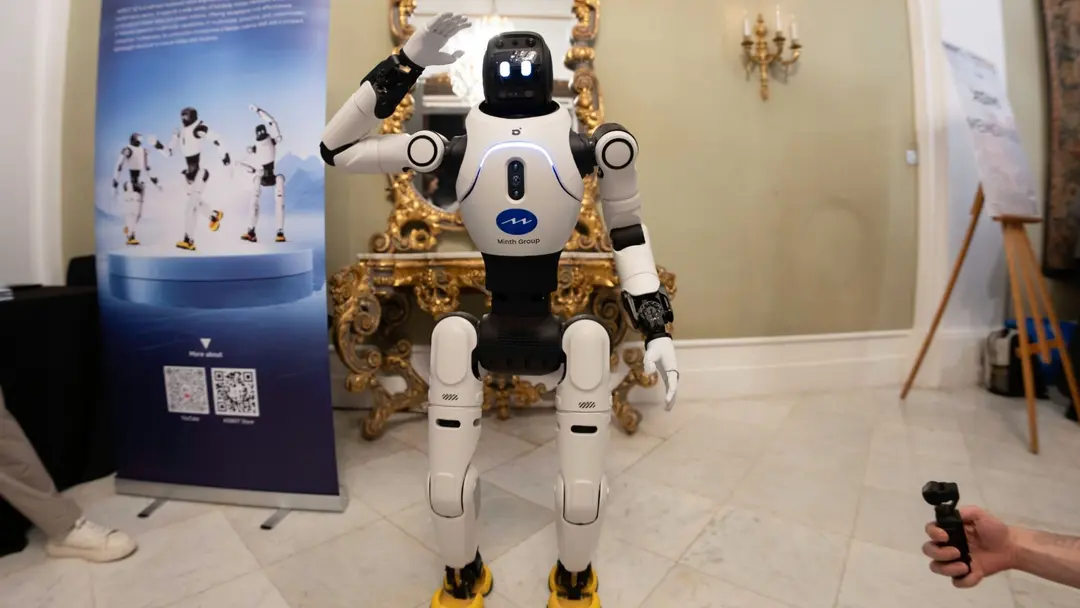
Presented in Yichang, Hubei Province, the robot features an integrated architecture that combines operating systems, networking, software tools, computing chips, and motion-control functions. The system is designed to translate AI decision-making into physical actions while keeping AI computing and robot control functions independently optimized.
According to the development team, the architecture provides a domestic alternative to foreign robotics-control technologies and represents a shift from locally manufacturing individual robot components to building the underlying systems that connect them.
A major focus of the project is robot safety and cybersecurity. During reported tests, the robot was subjected to simulated joint damage, cyberattacks, and implanted malware. Developers said the platform continued operating safely under these conditions, demonstrating fault isolation and system-protection capabilities. However, detailed test methods and independent verification have not yet been disclosed.
Researchers argue that such capabilities are increasingly important as humanoid robots, physical AI systems, and intelligent service robots move into factories, public spaces, and human-centered environments. Reliable electronic architectures can help prevent loss of control and maintain safe operation even when faults or security threats occur.
The announcement also reflects China's broader strategy to strengthen domestic capabilities across the robotics supply chain. Beyond developing sensors, actuators, and AI software, the focus is expanding toward controlling the critical infrastructure that connects AI robotics, machine intelligence, and physical execution.