


Thailand Launches 50,000-Baht Rooftop Solar Subsidy for 1 Million Households
 30 October 2026 01:18 PM
Summary: Thailand has opened registration for its THB50 billion People’s Solar Power scheme, offering eligible households a one-time subsidy of up to 50,000 baht to install rooftop solar systems. More than 50,000 applications were received on the first day, with registration open until January 31, 2027.
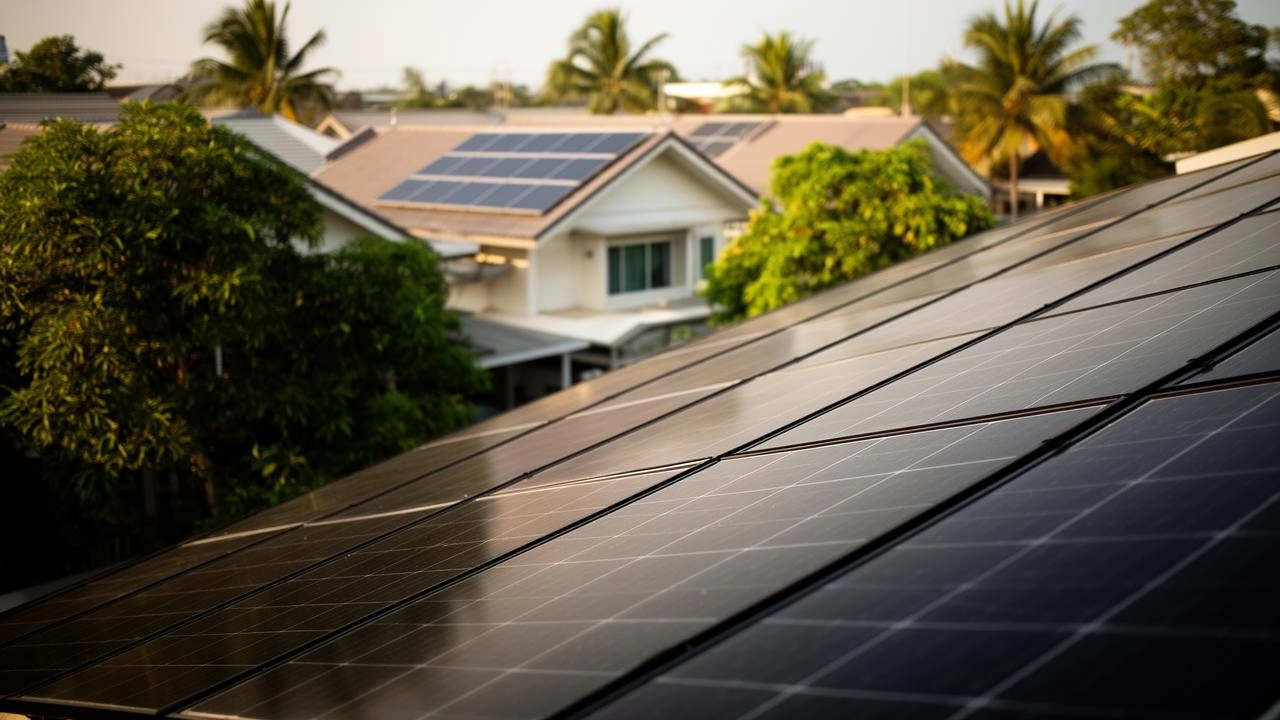
Bangkok, Thailand – October 29, 2026 — Thailand has launched its People’s Solar Power program, a nationwide rooftop solar subsidy scheme designed to help up to one million households adopt clean energy and reduce electricity costs. Approved by the Cabinet on October 27, the THB50 billion initiative offers a one-time payment of up to 50,000 baht per eligible household.
Registration is being handled by the Provincial Electricity Authority (PEA) and Metropolitan Electricity Authority (MEA) and will remain open through January 31, 2027. Deputy Government Spokesperson Lalida Perisvivatana said more than 50,000 applications were submitted on the first day.
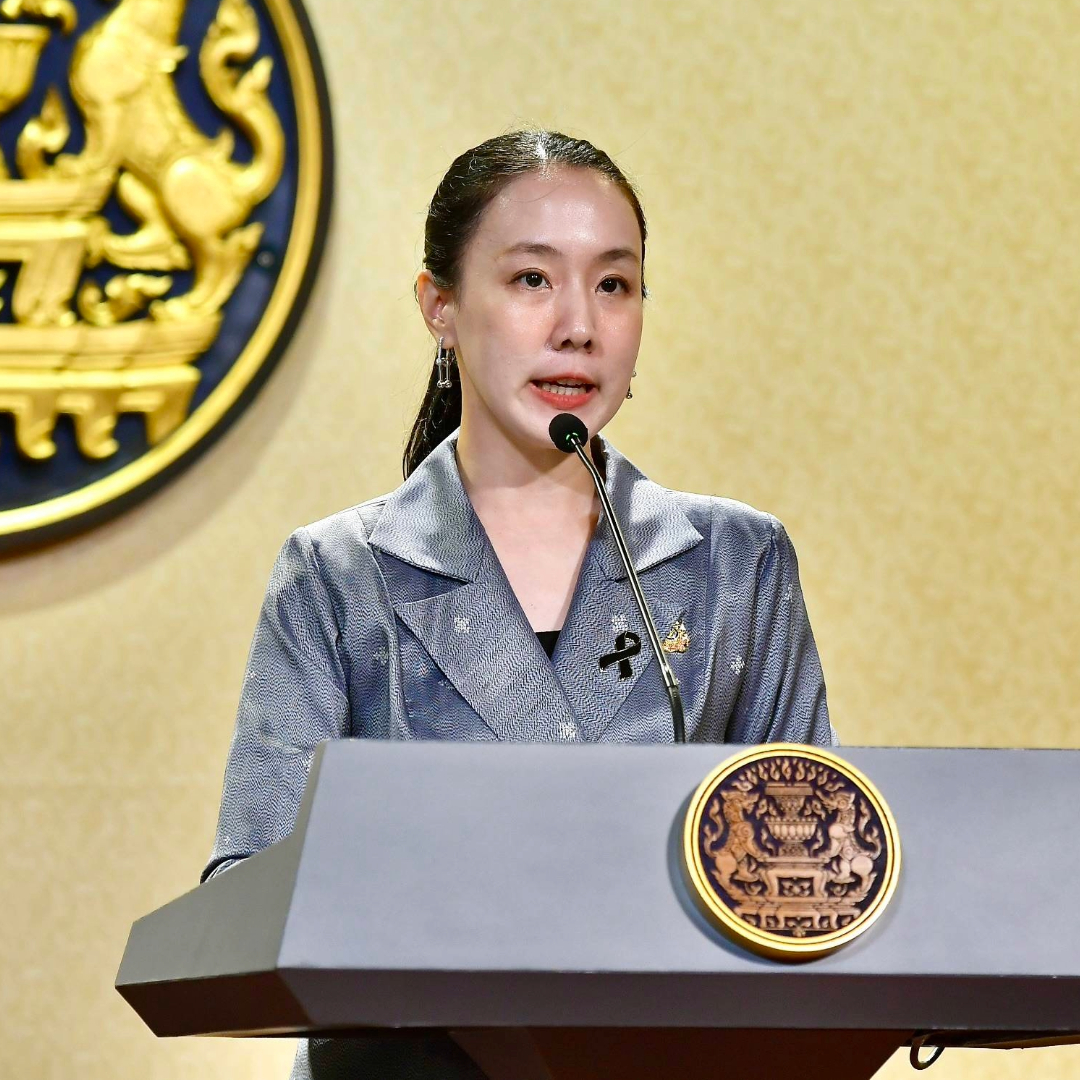
Applicants must be Thai citizens whose names match the registered holders of their residential electricity accounts. Eligible rooftop solar systems must have a capacity of 5–10 kilowatts and be installed by service providers registered with the relevant electricity authority.
The program also sets strict deadlines: grid connection applications must be submitted by August 31, 2027, with the connection process completed by September 30. Subsidies will be paid only after all technical and eligibility requirements are satisfied.
Importantly, households cannot combine the 50,000-baht cash subsidy with Thailand’s existing rooftop solar tax deduction, which offers tax relief of up to 200,000 baht. Applicants must choose one incentive.
State Welfare Card holders can also participate, but connecting their solar systems to the grid will result in the loss of their monthly 315-baht electricity subsidy for 20 years. Other welfare benefits will remain unchanged.
The initiative is part of Thailand’s broader strategy to expand residential solar power, accelerate renewable energy adoption and reduce household electricity expenses.