


Predictive Maintenance for Industrial Robots: From Schedules to Data
 11 November 2026 05:25 PM
Summary: Nearly 5 million industrial robots were operating worldwide in 2025, according to the International Federation of Robotics (IFR), with annual growth of approximately 11%. As robot deployment expands, predictive maintenance is becoming increasingly important. By analyzing operational data such as vibration, temperature, motor current, and torque, manufacturers can detect early signs of equipment deterioration, reduce unplanned downtime, and shift maintenance decisions from fixed schedules to actual equipment conditions.
Factories are deploying more industrial robots to improve production speed, repetitive precision, and the handling of physically demanding tasks. As robots take on a growing share of manufacturing operations, keeping them available and running reliably is becoming increasingly important.
According to the IFR, nearly 5 million industrial robots were operating worldwide in 2025, an increase of approximately 11% year over year. In highly automated factories, a single robot failure can disrupt an entire production cell or production line, causing delays that may spread to subsequent processes.
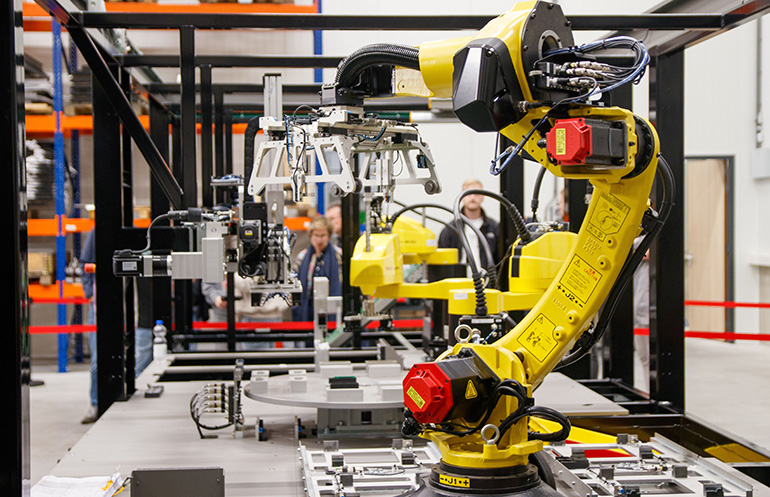
Traditional preventive maintenance relies on fixed time intervals, operating hours, or manufacturers’ recommended service schedules. Although this approach remains useful, it may not detect equipment deterioration between maintenance intervals. Components such as joints, gearboxes, actuators, and controllers can gradually wear down while the robot remains in operation.
Predictive maintenance addresses this limitation by analyzing equipment data to identify abnormal changes that may indicate developing faults. The National Institute of Standards and Technology (NIST) describes predictive maintenance as involving the detection, diagnosis, and prediction of faults or failures in industrial equipment. In practical terms, maintenance decisions are based increasingly on the robot’s actual condition rather than the calendar.
The data used for monitoring varies according to the robot, application, and potential failure mode. Common indicators include vibration, temperature, motor current, torque, controller alarms, operating cycles, and maintenance records. Rising vibration levels may indicate mechanical problems, while changes in motor current or torque can signal increased resistance or abnormal loads. Temperature fluctuations may also reveal developing faults. In addition, changes involving grippers, sensors, conveyors, or surrounding production processes can affect robot performance. Monitoring the entire work cell helps distinguish genuine abnormalities from normal operating variations, particularly when payloads, speeds, and movement trajectories change.
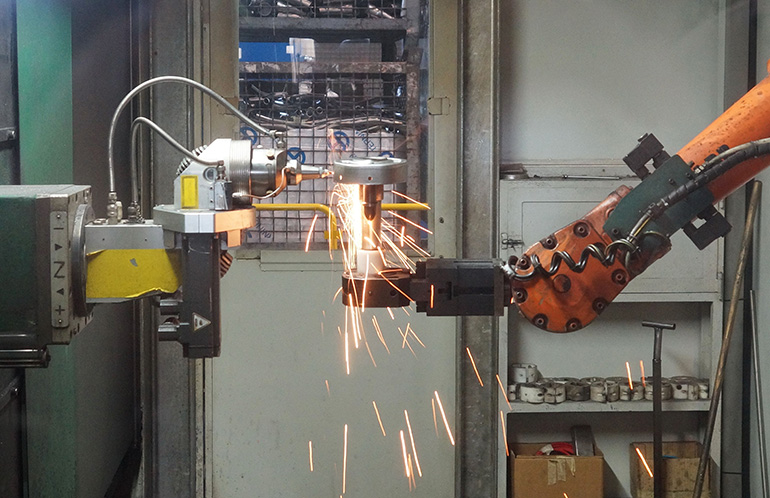
However, collecting data is only the first step. Monitoring systems must translate abnormal signals into actionable alerts, helping maintenance teams determine which equipment requires inspection and how urgently. Rather than inspecting every robot at the same frequency, technicians can prioritize machines showing signs of deterioration while allowing healthy equipment to continue operating. Early warnings also give factories more time to prepare spare parts and schedule repairs.
The value of predictive maintenance lies not only in reducing unexpected downtime but also in limiting secondary damage, extending equipment service life, and making maintenance planning more efficient. It does not eliminate the need for preventive maintenance. Its effectiveness depends on adequate sensor coverage, reliable data, and accurate operating baselines. Ultimately, the goal is to turn equipment data into timely maintenance decisions and improve the reliability of increasingly automated factories.