


China AI Firms Secure Overseas NVIDIA GPU Capacity Amid US Chip Restrictions
 12 November 2026 05:21 PM
Summary: Chinese AI companies are seeking to reserve NVIDIA GPU capacity at overseas data centers amid concerns that Washington could tighten restrictions on remote access to advanced AI chips. Meanwhile, demand in China's gray market is reportedly rising as traders stockpile restricted processors ahead of potential enforcement actions.
Chinese artificial intelligence companies are moving to secure overseas NVIDIA computing capacity amid fears that US restrictions on remote access to advanced chips could become stricter. The concerns intensified following controversy surrounding NVIDIA CEO Jensen Huang and growing political pressure in Washington.
Under current export controls, China faces restrictions on importing NVIDIA's most advanced AI processors. However, Chinese developers can still access some of these chips remotely by renting computing resources from data centers outside China.
Sources indicate that a major Chinese cloud provider has internally discussed reserving overseas NVIDIA GPU capacity, while other companies have approached data center operators about securing supply. Smaller AI research firms are also exploring similar arrangements, including partnerships with large computing rental providers in Southeast Asia.
A key concern is the proposed Remote Access Security Act (RASA), which would authorize the US Department of Commerce to regulate remote and cloud-based access to restricted technologies. The US House of Representatives passed the bill in January by 369 votes to 22, and it is awaiting Senate action. If enacted, the legislation could make it harder for Chinese developers to access advanced computing power without directly importing chips.
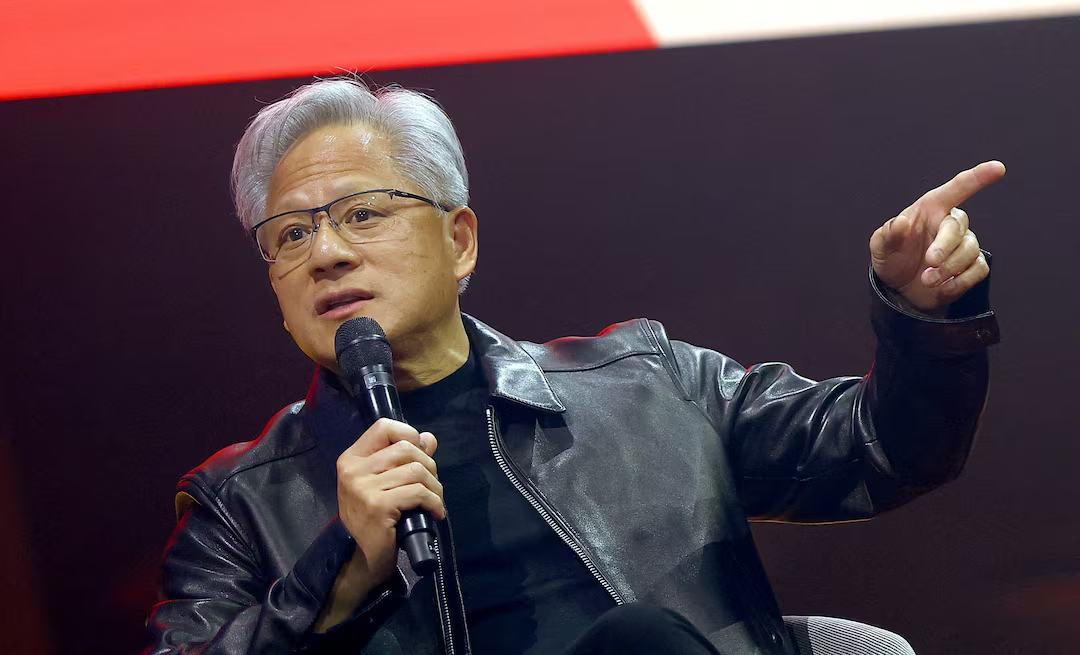
On Sunday, November 8, Huang publicly acknowledged being unfaithful to his wife. The controversy has drawn additional attention following allegations involving Alice Huang, a former executive at Singapore-based cloud computing company Megaspeed, whom US authorities reportedly identified as a Chinese intelligence agent. China has denied the allegation, and the claims have not been independently verified.
Megaspeed has also faced scrutiny over alleged assistance to Chinese customers in obtaining NVIDIA chips subject to US export controls. The company has denied illegally transferring chips to China.
Meanwhile, concerns over tighter enforcement are reportedly driving increased demand in China's gray market, with traders and intermediaries stockpiling restricted NVIDIA AI processors. Procurement records also indicate that a Chinese university linked to the military purchased NVIDIA H200 chips despite being on the US export blacklist.
In March, US prosecutors charged three individuals, including Wiwynn co-founder Yih-Shyan “Wally” Liaw, with conspiring to divert NVIDIA-powered servers to China through Southeast Asia. Prosecutors alleged that approximately $2.5 billion worth of servers were purchased from Super Micro between 2024 and 2025, with a significant portion allegedly redirected to China. The defendants have not been convicted.