


Sinarit XLUUV Signals a New Era of Autonomous Undersea Strike Robotics
 29 May 2026 04:34 PM
Summary:The Sinarit XLUUV introduces a modular autonomous underwater warfare platform capable of deploying drones, torpedoes, mines and missile payloads during long-endurance missions beneath the surface.
The rapid evolution of autonomous military robotics is extending far below the ocean surface. One of the latest developments in this sector is the Sinarit XLUUV, an extra-large uncrewed underwater vehicle designed for long-range, multi-mission naval operations without onboard personnel.
Built around a diesel-electric architecture, the platform combines autonomous navigation, modular payload integration and low-observable underwater mobility. Unlike conventional unmanned maritime systems focused primarily on surveillance, the Sinarit XLUUV is engineered as a configurable undersea strike platform capable of supporting offensive and defensive operations across multiple domains.
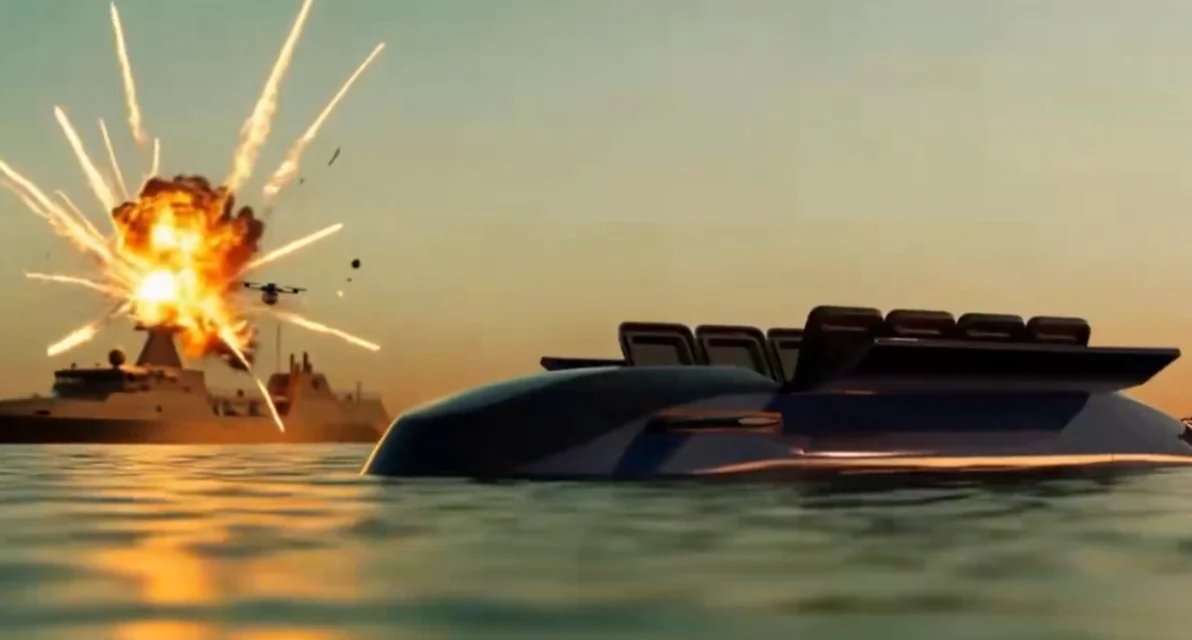 Source: CansinOzden / X
A defining feature of the vehicle is its modular payload architecture. Interchangeable mission sections allow the platform to rapidly shift between intelligence gathering, mine warfare, torpedo deployment and precision strike missions. The system can reportedly integrate up to 12 different payload configurations, including loitering FPV drones, smart naval mines, heavyweight torpedoes and advanced reconnaissance sensor packages.
The vehicle also supports anti-ship, land-attack and surface-to-air missile payloads, reflecting the growing convergence between underwater robotics and multi-domain combat systems. This flexibility positions extra-large autonomous submarines as strategic force multipliers capable of operating independently in contested maritime environments.
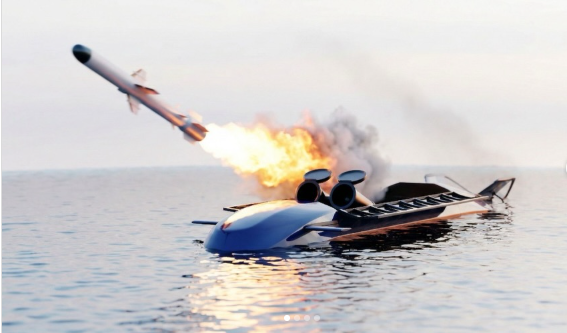
With an operational depth of approximately 100 meters and endurance measured in months rather than days, the Sinarit XLUUV represents a broader industry trend toward persistent autonomous naval platforms. Its underwater profile significantly reduces detectability compared to surface vessels, making it difficult to track using conventional radar, satellite monitoring and some sonar systems.
Industry analysts increasingly view extra-large uncrewed underwater vehicles as the underwater equivalent of autonomous combat drones already transforming aerial warfare. As naval forces worldwide invest in distributed and unmanned operations, platforms such as the Sinarit XLUUV may redefine future maritime deterrence, underwater logistics and covert strike capabilities.
The emergence of modular robotic submarines highlights how autonomy, artificial intelligence and scalable payload integration are rapidly reshaping next-generation naval warfare technologies.