


Summary: South Korean researchers have developed a nanoscale electrode architecture that could improve the performance and lifespan of anode-free lithium batteries, a promising technology for next-generation electric vehicles. The advance may help create lighter battery packs with higher energy density and longer driving range.
As global demand for electric vehicles (EVs) continues to grow, researchers are racing to develop batteries that store more energy while reducing weight and cost. A team in South Korea has now reported a new nanoscale electrode design that could address one of the biggest challenges facing anode-free lithium batteries, a technology widely viewed as a potential successor to conventional lithium-ion cells.
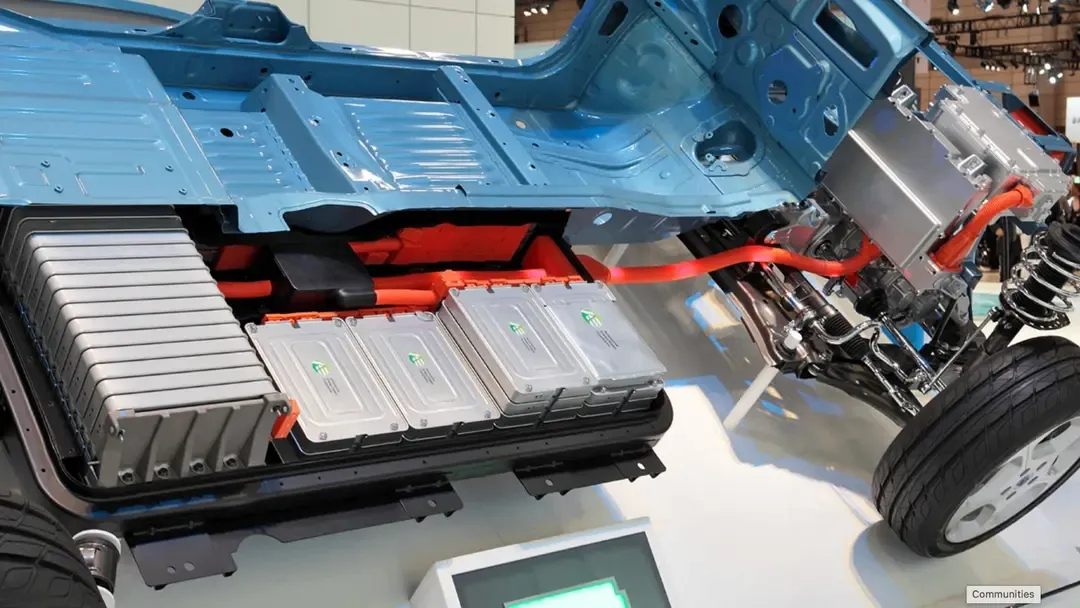
Unlike traditional lithium-ion batteries, which use graphite anodes to store lithium during charging, anode-free batteries eliminate the graphite layer entirely. Instead, lithium is deposited directly onto a thin copper current collector. This approach frees up valuable space inside the battery, increasing energy density and potentially enabling lighter EV battery packs, longer driving ranges, and more compact energy storage systems.
However, commercial adoption has been hindered by uneven lithium deposition. When lithium accumulates irregularly, it can form needle-like structures known as lithium dendrites, which degrade battery performance, shorten cycle life, and increase safety risks.
To overcome this problem, the South Korean team applied advanced semiconductor manufacturing techniques to create nanoscale structures approximately 300 nanometers in size on the electrode surface. These engineered features help guide lithium deposition more uniformly, reducing dendrite formation and improving battery stability during repeated charging and discharging cycles.
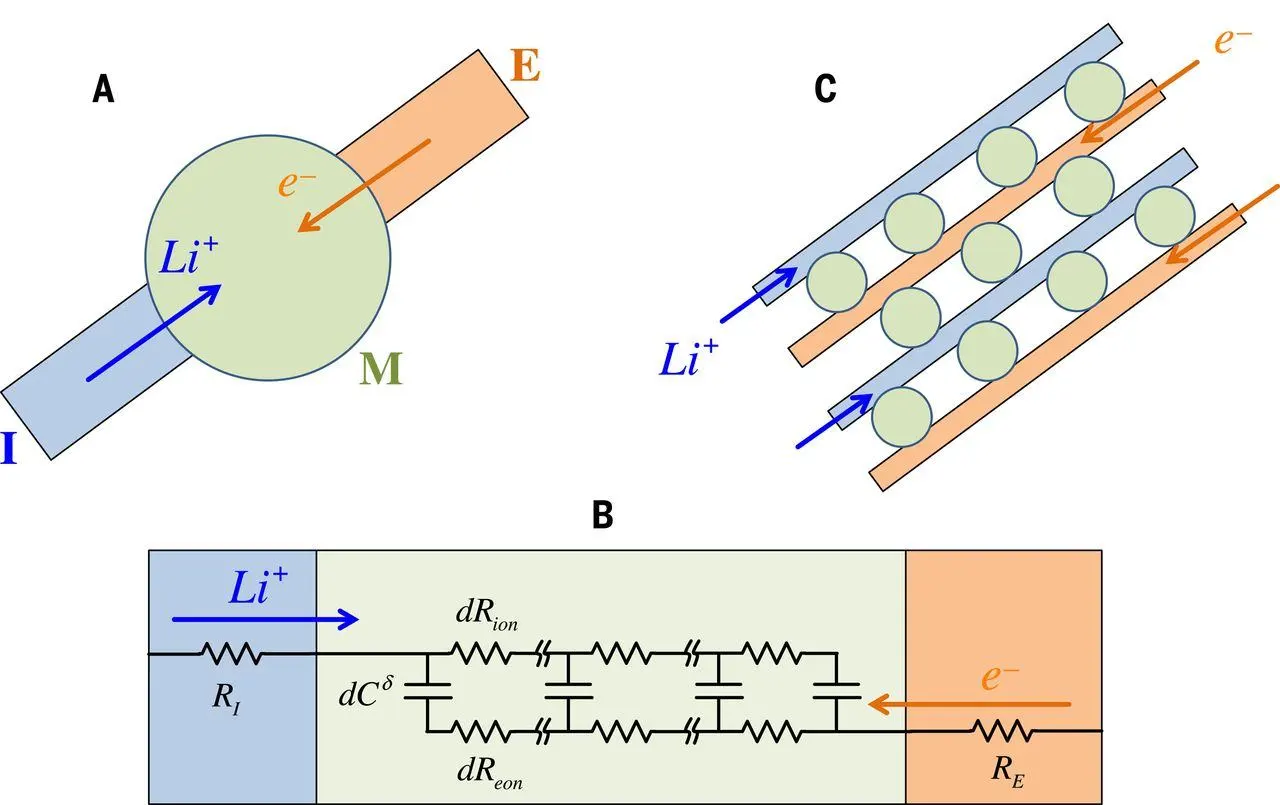
The nanoscale circuitry of battery electrodes
The development aligns with broader international efforts to advance solid-state batteries, lithium-metal batteries, and high-energy-density EV batteries. Automakers and battery manufacturers worldwide are investing heavily in next-generation energy storage technologies to support longer-range electric vehicles and faster charging capabilities.
If successfully scaled for mass production, the new nanoengineered electrode technology could contribute to safer, lighter, and longer-lasting batteries, helping accelerate the transition toward more efficient electric transportation and renewable energy storage.

